
Kitchen Remodeling for Older Homes
Kitchen Remodeling for Older Homes in Colorado Springs, CO
Quick Take: Remodeling an older kitchen in Colorado Springs often involves more than cosmetic upgrades. Many homes built in the 1970s through 1990s require electrical updates, structural adjustments, and layout improvements to support modern appliances and open-concept living. Most projects range from $25,000 to $60,000 and take 6 to 10 weeks, depending on structural changes and permitting.
If you live in an older home in Colorado Springs, you have probably noticed that the kitchen shows its age first. The cabinets may feel tired, the lighting may be dim, and the layout might not match how you actually cook or gather with family now. What once felt perfectly fine can start to feel tight and a little frustrating as your needs change.
Updating an older kitchen is usually about more than swapping out finishes. You are often dealing with wiring, plumbing, walls, and storage that were designed decades ago. With a solid plan, you can bring in modern function and comfort while still keeping the character that made you love the home in the first place.
What Makes Older Kitchens Different
If your home was built in the 1970s, 80s, or early 90s, the kitchen was likely designed for a different routine than most families have today. Kitchens were separated from living spaces and built mainly for cooking, not gathering. That is why many homes around Colorado Springs still have tighter layouts, dropped soffits, and rooms that feel closed in compared to newer designs.
Space tends to be the biggest adjustment. It is common to find only 24 to 30 inches between countertops, which makes it difficult for two people to cook at the same time. Current layout standards usually recommend 42 to 48 inches for better movement. Appliance sizes have also grown, so a refrigerator opening built for a 30-inch unit may need cabinet changes to fit a 36-inch model.
Electrical capacity is another common concern. Older kitchens often have fewer outlets, limited lighting, and service panels that were not meant to handle today’s appliances. Before focusing on finishes, it helps to make sure the space can support how your household actually uses it. Starting with a clear plan for kitchen remodeling in Colorado Springs, CO, keeps those structural and electrical details from becoming surprises later.
When we review older kitchens, we look closely at these elements before recommending layout or finish changes.
Structural and Electrical Surprises Behind the Walls
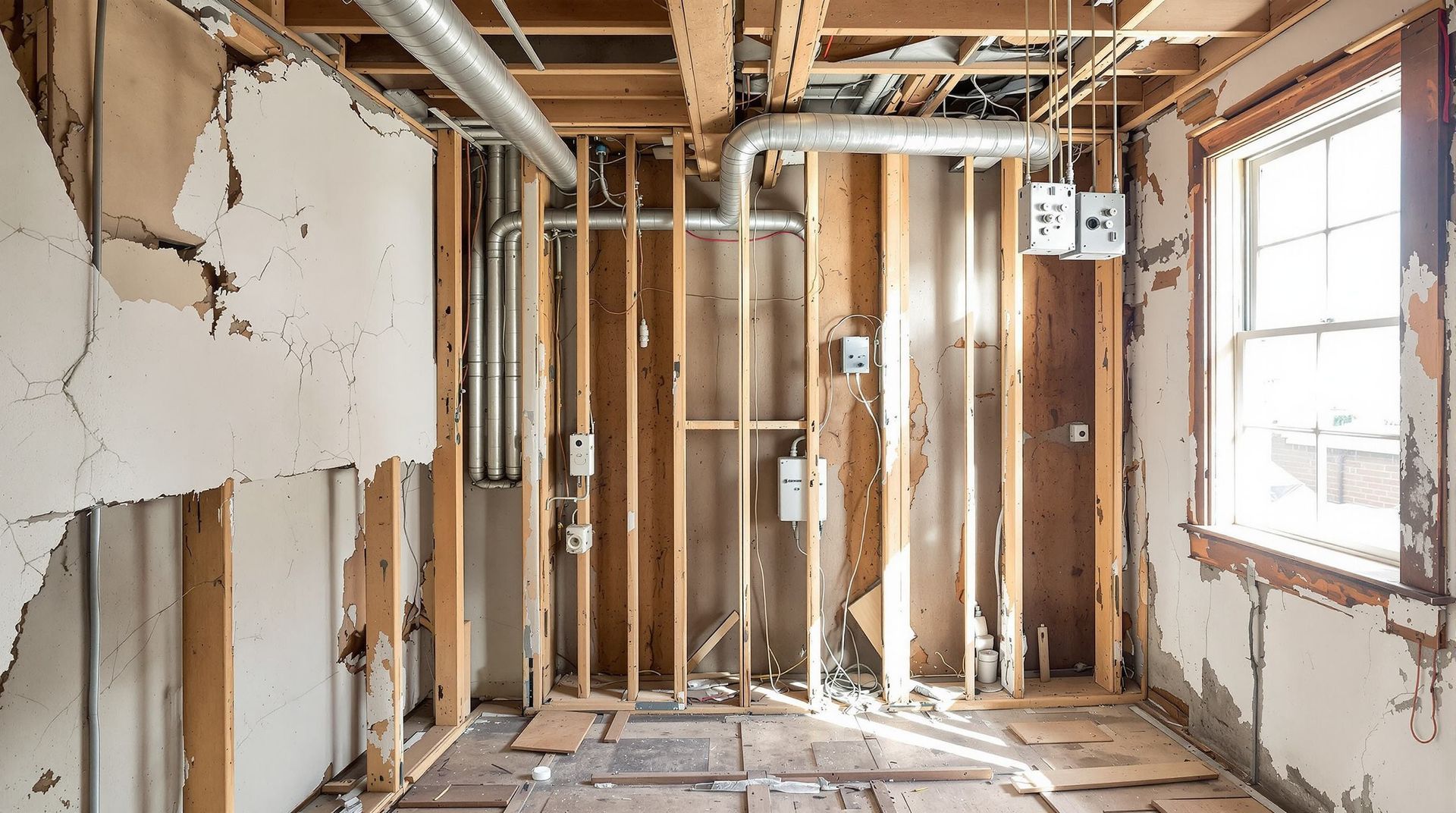
One thing many homeowners discover during a remodel is that older kitchens can hide a few surprises. Everything may look fine from the outside, but once cabinets and drywall are removed, it becomes clear how much has changed over the decades. Some issues are small fixes, while others require more thoughtful adjustments.
Common discoveries during demolition include:
- Aluminum wiring that may need updating for safety
- Electrical panels that cannot support modern appliance loads
- Unvented or improperly vented range hoods
- Aging galvanized plumbing lines
- Water damage behind sinks or dishwashers
Electrical systems are often the first concern. Kitchens built years ago were not designed to handle multiple countertop appliances, large refrigerators, or high-powered cooking equipment. Adding new circuits or upgrading a panel may feel unexpected, but it helps prevent overloaded breakers and improves overall safety.
Structural questions can also come up once walls are opened. A wall that looks decorative may actually support weight from above. If that happens, additional beams or supports may be required to maintain structural integrity. Plumbing lines hidden inside walls can also limit how much the layout can change without increasing time and cost.
During early planning within a professional kitchen design in Colorado Springs, CO, these possibilities are reviewed before construction begins. Our team discusses potential risks early so homeowners understand what may be uncovered once walls are opened. Looking at them upfront helps reduce stress, protect the timeline, and avoid larger problems later.
Reworking Layouts Without Overcomplicating the Structure
A lot of older kitchens were built as separate rooms with clear boundaries. Walls divide them from dining areas, walkways feel narrow, and peninsulas sometimes create more congestion than convenience. Opening the space can make it feel completely different, but that does not always mean removing every wall in sight.
Before taking down a wall, it helps to look at a few practical things:
- Is the wall carrying weight from the floor or the roof above?
- Are heating and cooling ducts running through it?
- Do plumbing or gas lines pass inside that wall?
- Will ceiling heights look uneven once it is removed?
- How will the flooring connect between the kitchen and the next room?
Some walls can be removed fairly easily. Others require structural beams, which can add several thousand dollars and extend the schedule. Knowing what you are working with early makes planning much smoother.
Clearances also matter more than many people realize. In older homes, there may only be enough room for one person to move comfortably between counters. A layout that allows 42 to 48 inches between work areas and at least 36 inches for walkways makes everyday cooking less stressful. In many cases, small adjustments to cabinet placement can improve flow without moving plumbing or changing the home’s structure.
Cabinetry Upgrades That Actually Make a Difference
Cabinets take up most of the visual space in a kitchen, so in older homes, they are often where wear and age show first. Shallow shelves, basic hinges, and limited storage were common decades ago. When you are already updating the layout or electrical systems, improving cabinetry can make the kitchen feel more practical day to day.
Deep Drawer Bases Instead of Fixed Shelves
Traditional lower cabinets usually come with fixed shelves that make it hard to reach items in the back. Deep drawer bases slide out fully, so pots, pans, and mixing bowls are easy to grab without crouching or digging. For busy households, this simple change can make cooking and cleanup feel less frustrating.
Full-Extension Drawer Glides
Older drawers often stop short, leaving a few inches of wasted space at the back. Full-extension glides allow the drawer to open all the way, so everything inside is visible. Over time, that extra accessibility makes a noticeable difference in how smoothly the kitchen functions.
Pull-Out Pantry Systems
Tall pantry cabinets in older kitchens can feel like dark, crowded closets. Pull-out shelves or vertical organizers bring items forward, making it easier to see what you have and avoid overbuying groceries. This is especially helpful in homes where expanding the kitchen footprint is not realistic.
Soft-Close Hinges and Slides
Basic hinges in older cabinets can loosen, creak, or slam shut. Soft-close hardware helps doors and drawers close quietly and reduces wear over time. In family kitchens that get heavy daily use, that durability matters.
Ceiling-Height Cabinetry
Many older homes have a gap between the tops of the cabinets and the ceiling. That space tends to collect dust and rarely serves a real purpose. Extending cabinets upward adds storage and gives the room a cleaner, more finished look, even if the ceiling line is slightly uneven.
Modern cabinets are also better suited to today’s appliances and deeper countertops. Increasing base cabinet depth from 21 inches to 24 inches provides more usable storage and lines up better with current appliance sizes.
When reviewing options for custom kitchen cabinets in Colorado Springs, CO, it helps to compare semi-custom and fully custom solutions. Semi-custom cabinets offer flexibility in finishes and sizing, while fully custom designs can better accommodate uneven walls, older framing, or historic preservation considerations.
Cost Factors to Consider When Remodeling an Older Kitchen
Remodeling an older kitchen rarely comes down to one simple number. While many full projects in Colorado Springs land somewhere between $30,000 and $60,000, the final cost depends on what is discovered and how much change is planned. Knowing where money typically goes makes it easier to set realistic expectations before work begins.
Cabinet Replacement and Layout Changes
Cabinets are often the largest portion of the budget. Replacing original cabinets instead of refinishing them costs more upfront, but it can dramatically improve storage and durability. If the layout is being adjusted at the same time, resizing cabinet runs or shifting walls can increase both labor and material costs.
Electrical Upgrades and Panel Capacity
Many older kitchens were built for a handful of appliances, not the number most families use today. Adding dedicated circuits, upgrading outlets, or replacing an aging electrical panel can add several thousand dollars, depending on the scope. These updates are often necessary to safely support modern refrigerators, ovens, and improved lighting.
Structural Modifications
Opening up the kitchen may require removing a wall, and not all walls are simple to take down. If a wall supports weight from above, structural beams or additional framing may be needed. That kind of work can raise the overall cost and extend the schedule, especially if engineering review and inspections are required.
Plumbing and Mechanical Adjustments
Moving a sink, dishwasher, or gas line in a bathroom and kitchen remodel adds complexity. In some older homes, plumbing materials such as galvanized pipe may need replacement once exposed. Ventilation improvements, especially for range hoods, can also add to the investment if exterior venting was not part of the original design.
Permits, Inspections, and Contingency Planning
Electrical and structural changes in Colorado Springs typically require permits and inspections. Waiting for inspection approvals can occasionally slow progress between phases. Setting aside a 10 to 20 percent contingency fund helps cover unexpected findings such as water damage, subfloor repairs, or outdated wiring that only becomes visible once demolition begins.
How to Live Through a Kitchen Remodel in an Older Home
Living through a kitchen remodel is often harder than people expect, especially in an older home. Once demolition starts, your sink, stove, and storage can disappear in a matter of hours. A little preparation ahead of time can make those weeks feel much more manageable.
Setting up a temporary kitchen space can include:
- A folding table or spare counter in the dining room or basement
- A microwave and toaster oven for simple meals
- A small electric burner or air fryer
- A mini refrigerator if the main unit is removed
- Disposable plates and utensils to cut down on dishwashing
Having a basic plan for meals helps more than most homeowners realize. Cooking and freezing a few meals before work begins can reduce the temptation to rely on takeout every night. It also keeps food costs from climbing during the renovation.
Conclusion
Remodeling a kitchen in an older home usually involves more than updating finishes. Behind the walls, you may be dealing with outdated wiring, aging plumbing, tight layouts, or structural limits that were never designed for modern appliances and open living.
With the right planning, you can improve the flow, add better storage and lighting, and create a space that feels comfortable and functional while still keeping the character that made you choose the home in the first place.
Thinking about updating your older kitchen but not sure where to start? We’ll help you understand what your space can support before any work begins. Schedule a consultation today and take the first step toward a kitchen that feels more open, more functional, and ready for everyday life.