
Why Design-Build Remodeling Delivers Better Results
Design-Build Remodeling in Colorado Springs, CO
Quick Take: Design-build remodeling puts your Colorado Springs kitchen or bathroom project under one team from design through installation, eliminating the miscommunication and budget surprises that come with juggling separate designers and contractors. This approach often delivers faster timelines and fewer change orders compared to the traditional three-contract method.
You've been planning your kitchen remodel for months. After meeting with a designer, you finally have the perfect layout with an island that opens to your dining room, custom cabinetry that reaches the ceiling, and a new window over the sink. The drawings look incredible. Then you send those plans to contractors for bids, and the numbers come back thousands more than you expected.
Most homeowners discover the traditional remodeling approach has a serious flaw right at this moment. Designers create plans without input from the people who actually build them, leaving you caught between a vision you love and numbers you can't make work.
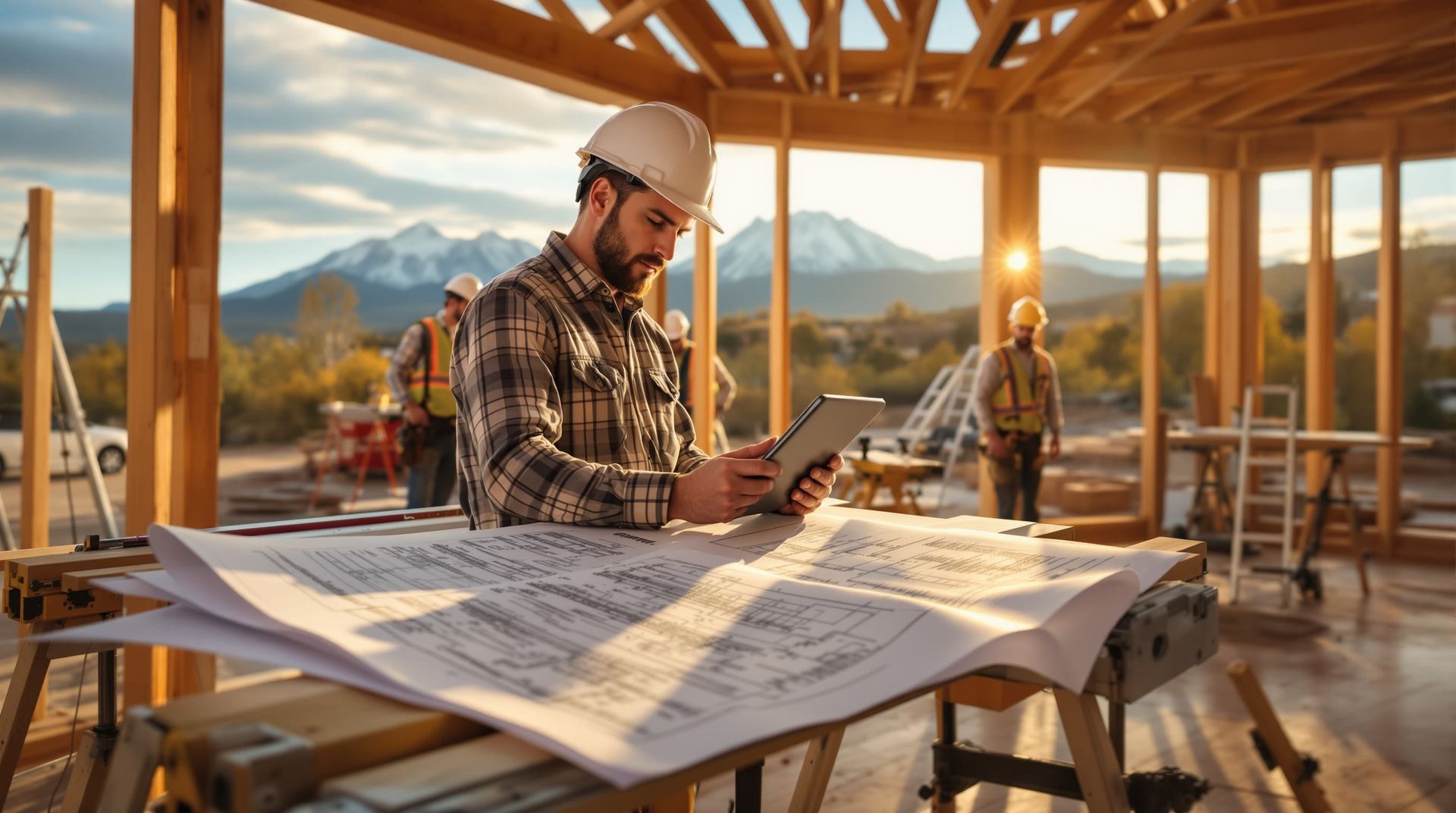
Design-build remodeling works differently. One team handles everything from your first design meeting through the final cabinet installation. Your designer works alongside the project manager who handles permits and the installers who've renovated hundreds of local homes.
Why are more homeowners choosing this approach? It comes down to how it addresses the specific challenges of remodeling, particularly in older Colorado Springs homes where surprises are common.
Why Traditional Remodeling Creates Headaches
The traditional approach follows a predictable pattern. You hire an architect or independent designer who creates detailed plans for your space. Once those drawings are finished, you shop them around to general contractors who each submit their own bid. You compare estimates, pick a contractor, and hope the design translates smoothly into reality.
The problem shows up during construction. Your contractor tears into the wall where the new window is supposed to go and discovers outdated electrical wiring that needs upgrading. The designer didn't know that was there because they weren't involved in the construction phase. Now you're negotiating change orders and watching your timeline slip.
Issues that come up create immediate finger-pointing:
- Designer says the layout works perfectly on paper
- Contractor says the design didn't account for structural limitations
- You're stuck mediating between two separate companies
- Change orders add costs that weren't in the original bid
- Timeline delays stack up while everyone waits for revised plans
The coordination alone becomes a second job. You're scheduling the designer to answer the contractor's questions, tracking down appliance delivery dates, and making sure the plumber shows up before the cabinet installer needs them. Kitchen remodeling projects typically involve electrical work, plumbing changes, and often gas line adjustments for ranges. Managing all those moving pieces across different vendors creates constant opportunities for miscommunication.
One Team, One Vision
With this approach, your designer, project coordinator, and installation crew all work for the same company. Meeting with your designer at Plush Designs to talk about opening up your kitchen means talking with someone who already knows what the project manager will need for permits and what the installers typically find behind walls in homes built in the 1970s and 80s.
In practice, the difference looks like this:
| Traditional | Design-Build |
|---|---|
| 2-3 contracts | Single contract |
| Design first, pricing later | Budget built alongside design |
| You coordinate teams | One point of contact |
| Longer timelines with bidding delays | Streamlined timeline |
Your personal designer works with you on layout and cabinet style, helping you decide between a waterfall island or a two-level design. While they're developing those drawings, the project coordinator is already checking your home's age and neighborhood to anticipate permit requirements with the Pikes Peak Regional Building Department. The design gets reviewed for potential budget or timeline impacts before you ever sign a contract.
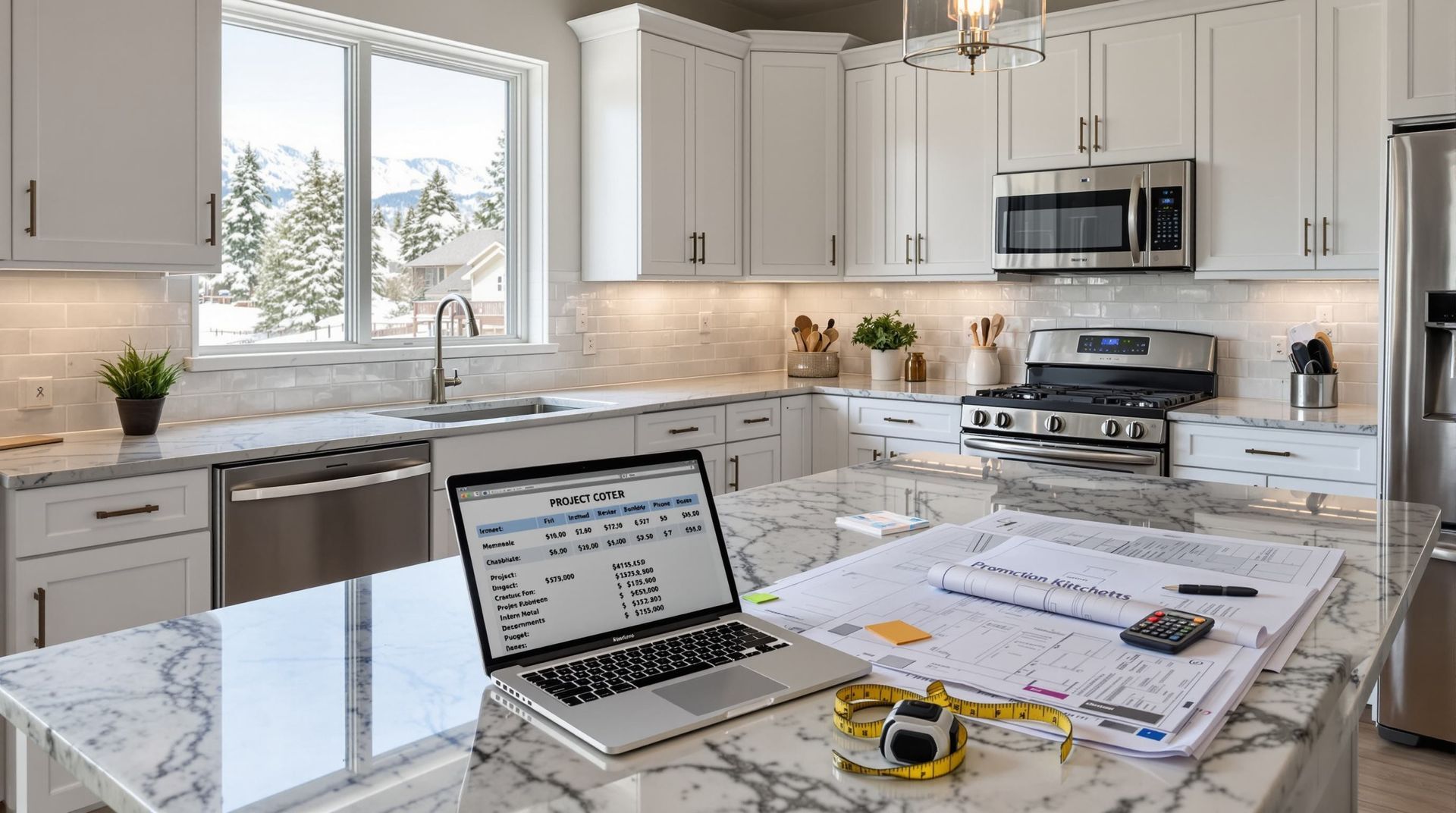
Pricing stays realistic from the start because your designer isn't creating a dream kitchen in isolation and hoping a contractor can build it within your investment. They're developing the design with full knowledge of what materials cost, what structural changes require, and what your budget will actually cover. By the time you see a final proposal, everyone involved has already reviewed the plans.
Why Local Expertise Matters
Permits and Building Codes
Kitchen and bathroom remodels go through the Pikes Peak Regional Building Department, which has specific requirements for structural changes, electrical upgrades, and plumbing modifications. Moving a sink to an island means rerouting drain lines at specific slopes. Adding recessed lighting in a kitchen with an unfinished attic above requires different electrical planning than a home with living space overhead. A team experienced with local building codes understands these requirements during the design phase, not after construction starts.
Climate Considerations
Our elevation and climate create unique challenges. Temperature swings from 20°F winter mornings to 90°F summer afternoons put stress on cabinet finishes and countertop materials. The low humidity here affects how wood expands and contracts, which matters when you're installing custom cabinetry that needs to stay aligned for decades. UV exposure at over 6,000 feet fades certain cabinet stains faster than at lower elevations, affecting your finish selection.
Local Housing Stock
Many homes built in the 1970s through early 1990s have galley kitchens with soffits that waste vertical space. Those ranch-style floor plans often hide outdated electrical panels that can't handle modern appliance loads. Split-level homes throughout the area have plumbing configurations that make relocating a kitchen sink more complex than in a single-story layout. A team that regularly remodels local kitchens has seen these patterns before and plans accordingly.
Experienced local designers, project managers, and installation crews don't guess about what might be behind your walls. They've worked in enough similar homes to anticipate common issues.
Questions Most Remodelers Avoid
Your contractor opens up the wall for your new range hood and finds mold from an old roof leak. In a traditional setup, work stops while the contractor gets you a change order estimate and you potentially need to bring in a separate remediation company. With a single team handling everything, your project manager coordinates the fix directly with the crew already on site. The same goes for discovering knob-and-tube wiring or cast iron drain lines that need replacing.
Living without a functioning kitchen for several weeks takes real planning. Most families set up a temporary setup in their dining room with a microwave, toaster oven, and electric kettle. Meal prep gets simpler if you stock paper plates and plan around Crockpot meals that can cook while you're at work. Some homeowners time their remodel around summer for easier outdoor grilling, or schedule it around family vacations so the daily routine is already disrupted.
Budget changes happen, especially in older homes where you can't see what's behind the walls until demo day. A transparent change order process means your project coordinator walks you through exactly what was discovered, what it costs to address it, and how it affects your timeline. You approve changes before the work happens, not after.
Why the Upfront Investment Pays Off
This approach requires investing in the design phase before seeing a final construction price. That feels backward if you're used to collecting free estimates first. What you're paying for is detailed planning that catches problems on paper instead of during construction where fixing them costs significantly more.
Our team has been remodeling kitchens and bathrooms in Colorado Springs since 2002. The designers in our showroom bring an average of over 25 years of experience, and our installation crews work directly for us rather than as project-by-project subcontractors. Detailed measuring, thoughtful layout development based on how your family actually uses the space, and careful material selection all prevent expensive mistakes later.
Contractors offering free quotes are making educated guesses without detailed planning. Once construction starts and complications show up, that's exactly when real costs emerge through change orders. You can see the level of detail that goes into our planning in our completed bathroom remodels.
Conclusion
This approach eliminates the coordination headaches and budget surprises that come with managing separate designers and contractors. For Colorado Springs homeowners ready to remodel without spending months juggling multiple vendors, design-build offers a clearer path from concept to completion.
Ready to see how this works for your kitchen or bathroom project? Schedule a consultation at our showroom to meet with our design team and discuss your space. Call us at (719) 578-0001 or visit us at 202 S Wahsatch Ave in Colorado Springs.