
How to Plan a Kitchen Remodel Without Costly Mistakes
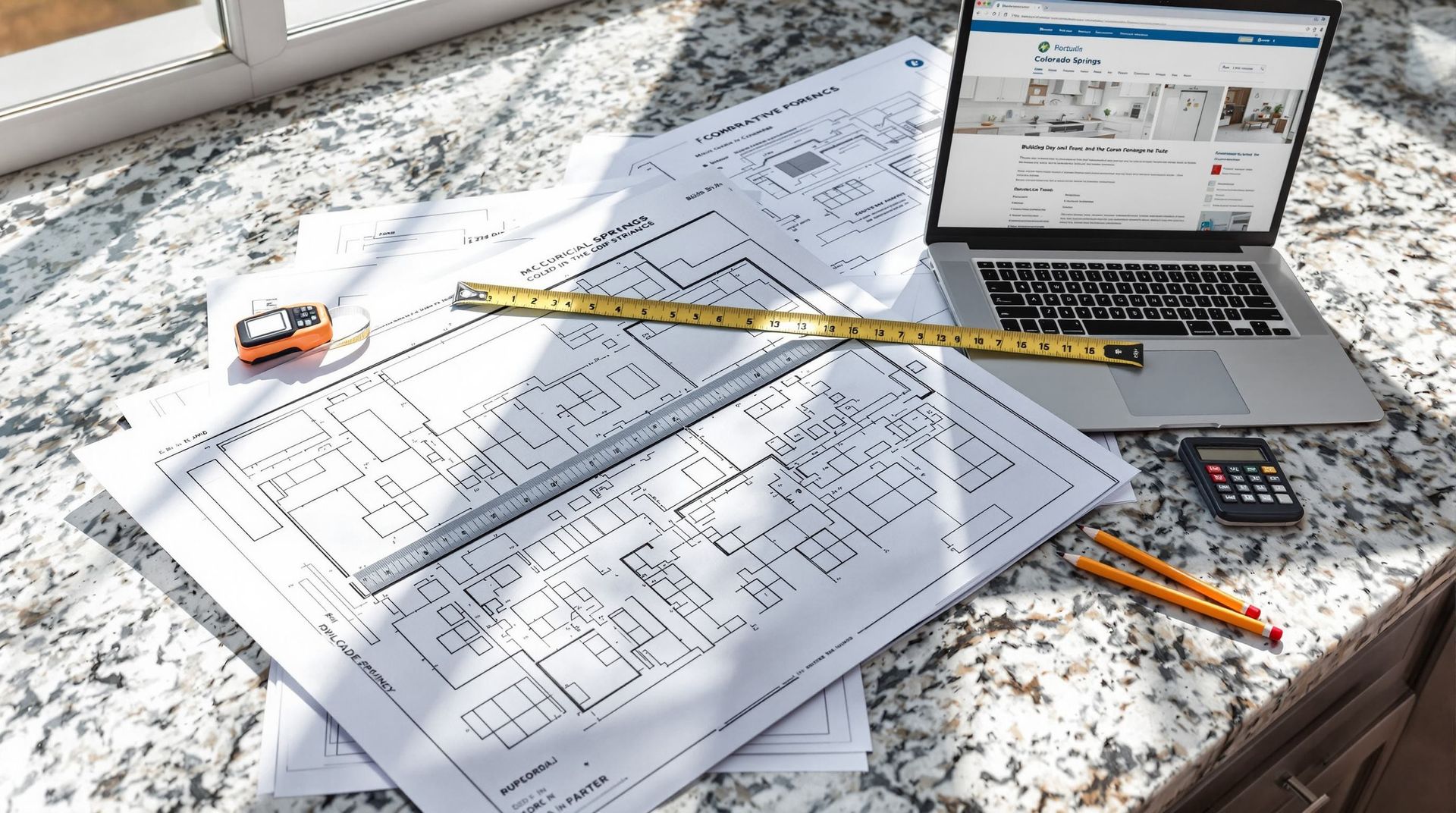
Plan a Kitchen Remodel in Colorado Springs, CO
Quick Take: Kitchen remodels in Colorado Springs typically cost $20,000 to $50,000 and take 8 to 12 weeks from design to completion. The planning phase is where most mistakes happen, from skipping professional layout design to underestimating budgets by 15 to 20 percent. A clear budget, realistic timeline, and proper layout prevent costly do-overs.
You've been dreaming about a new kitchen for years. The cabinets from 1985 are falling apart, the layout makes you walk in circles, and your countertops look dated. You're ready to transform your kitchen.
But where do you start? Most homeowners jump to Pinterest boards and cabinet samples without mapping out a solid plan first. That's how kitchen remodels spiral into budget overruns, timeline chaos, and layout regrets.
Here's how to plan your kitchen remodel the right way from the start.
Set Your Budget with a 15 to 20 Percent Contingency
Most Colorado Springs homeowners budget $20,000 to $50,000 for a mid-range remodel, but smart planning adds another $3,000 to $10,000 for the unexpected. Cabinets eat up 30 to 40 percent of your total budget. Countertops and backsplash take another 15 to 20 percent, with labor running 20 to 35 percent.
Once you open those walls, you might discover outdated electrical that doesn't meet current code, plumbing needing replacement, or mold behind the sink cabinet. These are normal finds in older Colorado Springs homes built in the 1970s and 1990s. Your contingency budget covers these discoveries without forcing you to choose between safe electrical work and the countertops you wanted.
Create a Realistic Timeline (and Prepare to Live Through It)
Plan for 8 to 12 weeks from design start until your first meal in the finished kitchen. Design takes 2 to 3 weeks with professionals creating proper layouts and 3D renderings. Ordering materials adds 3 to 4 weeks, especially for custom or semi-custom cabinetry. Demolition happens fast at one week, but installation stretches 3 to 4 weeks.
You'll live without a functional kitchen during most of this time. Set up a temporary camp kitchen with these essentials:
- Microwave and slow cooker for basic meal prep in another room.
- Paper plates and disposable utensils to eliminate dishwashing.
- Cooler with ice for refrigerated items if your fridge gets disconnected.
- Backup dinner plan because cooking fatigue hits hard around week three.
Summer brings high contractor demand in Colorado Springs. Winter weather can delay material deliveries through mountain passes.
Start with Professional Layout Planning
The work triangle between your sink, stove, and refrigerator should measure 4 to 9 feet on each side. Shorter distances make you bump into yourself. Longer distances mean walking marathons just to make dinner. Many older Colorado Springs homes have kitchens designed when families cooked differently, with layouts that put the refrigerator on the opposite wall from everything else.
We catch these problems during the design phase before a single cabinet gets ordered. Professional kitchen design uses 3D renderings showing exactly how 42 inches of aisle space feels. You'll see whether cabinet doors slam into each other when opened simultaneously or if two people can pass comfortably.
Common mistakes include islands too large for the room, ranges under windows where grease hits the glass, and dish storage far from the dishwasher. Fixing these on paper costs nothing. Fixing them after installation costs thousands.
Choose Your Cabinetry Level Early
Your cabinet decision drives everything in your kitchen remodeling timeline and budget. Stock cabinets cost $200 to $350 per linear foot installed and arrive within 2 to 3 weeks. Semi-custom options run $300 to $900 per linear foot with 4 to 8 week lead times. Custom cabinetry starts around $800 per linear foot and takes 8 to 12 weeks to fabricate.
Stock cabinets come in standard sizes that might not fit your space perfectly, leaving filler strips or wasted corners. Semi-custom gives you more size options and finish choices while keeping costs reasonable. Full custom means cabinets built exactly to your measurements with any wood species, door style, and interior configuration you want.
Our showroom lets you see seven different cabinet lines in person. You can test soft-close mechanisms and compare wood grains under actual lighting. Pictures online don't show you how heavy-duty drawer boxes are or whether the finish looks premium. Make this decision early because cabinet lead time determines when construction starts.
Assemble Your Team (Designer, Contractors and Suppliers)
Professional designers prevent expensive mistakes DIY planning misses. They know your 48-inch range needs specific cabinet dimensions on both sides and dishwashers need 21 inches of counter space next to them for loading. You might forget these details scrolling through inspiration photos.
Look for contractors with specific kitchen remodeling experience. Ask during consultations: How many kitchens have you completed this year? Can I visit a current job site? What happens when you discover problems behind walls? Who handles the Colorado Springs permit process?
Integrated teams work faster because your designer, cabinet supplier, and installation crew communicate directly. When everyone operates independently, you become the coordinator managing five schedules and three opinions about whether your sink fits the cabinet cutout. Get everything in writing with clear contracts and written warranties.
What Could Go Wrong (And How to Prepare)
We've seen everything from surprise load-bearing walls to outdated wiring needing complete replacement. Here's what typically happens:
- Mold or water damage behind sink cabinets from decades of minor leaks.
- Electrical systems that don't meet current code requiring panel upgrades.
- Corroded plumbing needing immediate replacement before new cabinets.
- Structural issues like sagging joists or improperly supported countertops.
- Material delays or discontinued items forcing last-minute substitutions.
Plan for Colorado-Specific Considerations
Colorado's dry climate affects wood cabinets differently than humid regions. Wood expands and contracts with dramatic temperature swings between summer and winter. Quality cabinet construction accounts for this movement with proper joinery and finish techniques. Cheap cabinets develop cracks or gaps as wood shifts.
Temperature variations matter for material selection too. Laminate countertops can delaminate under intense UV exposure through south-facing windows. Certain tile adhesives don't perform well in our climate.
Colorado Springs requires building permits for kitchen remodels involving electrical, plumbing, or structural changes. Your contractor handles permitting, but factor 2 to 4 weeks into your timeline for approval. Material lead times can run 1 to 2 weeks longer during peak season from April through September. You can see examples of completed Colorado Springs projects in our gallery showing how proper material selection creates lasting kitchens.
Conclusion
Two to three weeks of careful planning prevents the layout mistakes, budget overruns, and timeline disasters that plague rushed projects. Your cabinet selection affects your timeline. Your timeline affects your budget. Your budget determines what's possible. These decisions connect.
We walk you through these choices in a logical sequence so nothing gets missed. Start by visiting our showroom to see materials in person and understand what different quality levels look like. Bring your measurements, your inspiration photos, and your honest budget.
The difference between a kitchen you're proud of and one you tolerate comes down to planning. Do it right from the start.